
On this page
- What Causes Noisy Farts?
- Your Body Is Releasing Gas Quickly
- Your Muscles Are Changing the Sound
- You Have Been Eating Foods That Produce More Gas
- You Are Swallowing Too Much Air
- You Might Have Food Intolerance
- Constipation May Be Making Things Worse
- An Underlying Digestive Condition Could Be Responsible
- Are Loud Farts a Sign of Good or Bad Health?
- Why Are Some Farts Loud While Others Are Silent?
- How to Reduce Noisy Farts
- Eat More Slowly
- Identify Your Gas-Producing Foods
- Cut Back on Fizzy Drinks
- Be Careful With Sugar-Free Products
- Move Your Body Regularly
- Address Constipation
- Get Help if the Problem Continues
- When Should You See a Doctor About Noisy Farts?
- Frequently Asked Questions About Noisy Farts
- What causes noisy farts?
- Why are my farts suddenly so loud?
- Are loud farts healthy?
- Do beans really cause loud farts?
- Why are my farts loud but not smelly?
- Can holding in farts make them louder later?
- Can stress cause more farting?
- How many times a day is it normal to fart?
- Do noisy farts mean I have too much gas?
- Can I stop noisy farts completely?
- Sources & Further Reading
- Related Posts
Have you ever been sitting quietly in a room when your butt suddenly decides to make an announcement? Thats the noisy fart !
Everyone looks around, someone starts laughing, and you suddenly become very interested in the floor.
If this sounds familiar, welcome to the club. Your digestive system has a sense of humor, even when you don’t want it to.
But have you ever wondered, what causes noisy farts? Why do some farts sound like a tiny squeak while others sound like a motorcycle trying to start on a cold morning? not funny , but still it is.
Although its sounds awful and sometime ashamed, but hold on, noisy farts are are usually a normal part of digestion.
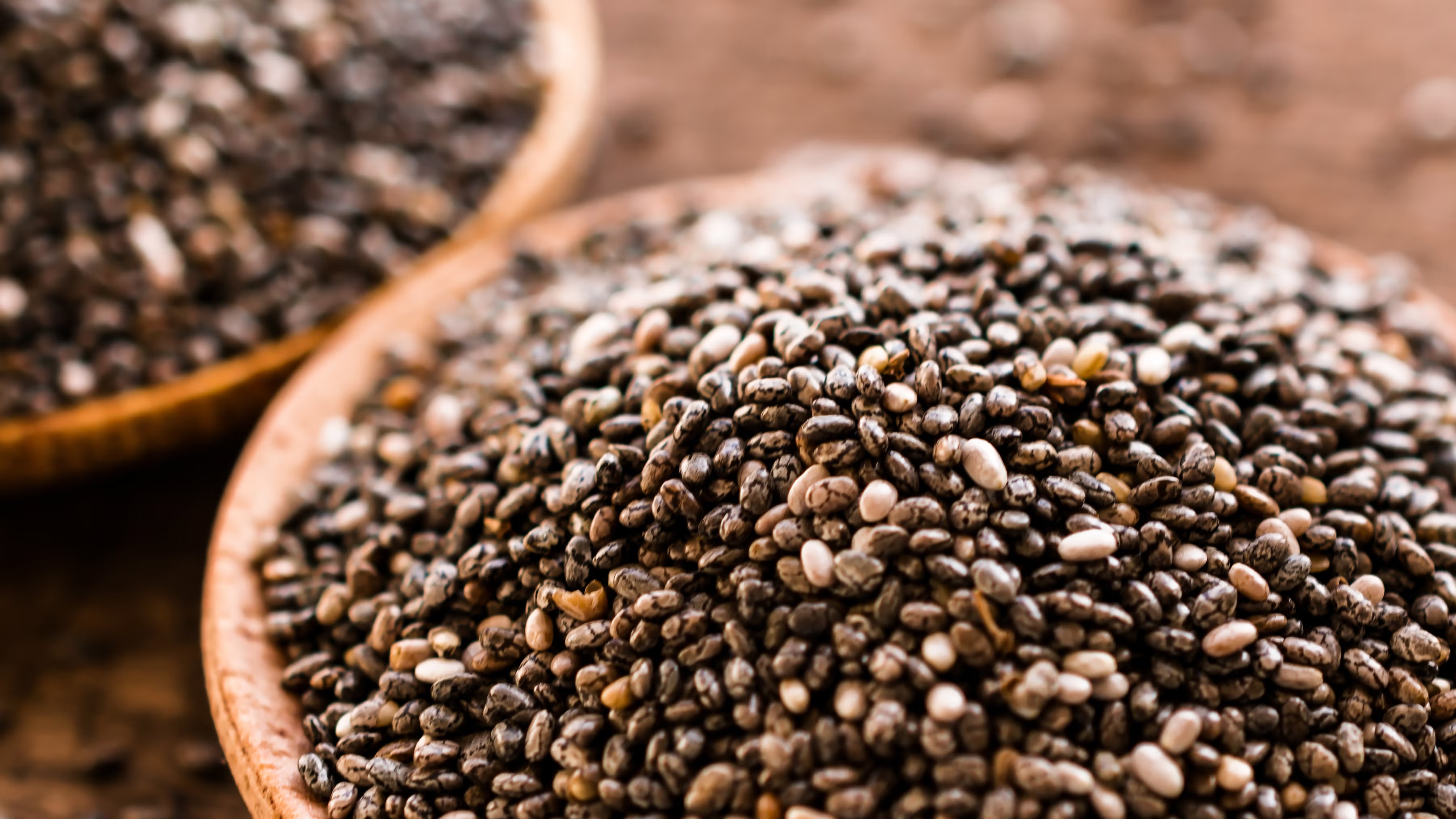
There are considered scientific facts on these unexpected sound effects, the food, your mood or even stress, makes your digestive system to react. When considering food and diet, suggestion says that foods like green lettuce, chia seeds helps your digestive system cooled and no making gas-o-affect !
What Causes Noisy Farts?
The main reason behind noisy farts make noise is like air moving through a small opening, making the sound louder due to vibration. Depending on the pressure, speed, and shape of that opening, you may get anything from a quiet whisper to a full concert, no one wants to attend !
How our digestive system produces gas ?
- Swallowing air: You swallow small amounts of air when you eat, drink, chew gum, or talk while eating.
- Digesting food: Bacteria in your large intestine break down certain parts of food that your body hasn’t fully digested. This process produces gas.
Eventually, that gas needs somewhere to go. Your body releases it through your anus, creating what we commonly call a fart or noisy fart.
Not every fart makes the same loud sound. Some are quiet, while others announce themselves like they have an important meeting to attend.
1. Your Body Is Releasing Gas Quickly

One of the simplest explanations for noisy farts is that gas is escaping quickly.
When gas builds up in your digestive system, pressure can increase. When you finally release it, the gas may move through the anal opening with enough force to create noticeable vibrations.
Imagine letting air out of a balloon. If you release the opening slowly, you might hear a gentle hiss. If you squeeze it differently, the balloon may produce a loud, high-pitched sound.
Your body isn’t exactly a balloon, of course, but the comparison helps explain why the same person can produce different fart sounds throughout the day.
The funny part: Your body might have no idea that it has just interrupted an otherwise perfectly normal conversation.
2. Your Muscles Are Changing the Sound
The muscles around your anus help control when gas leaves your body. These muscles can tighten or relax, changing the size and shape of the opening through which gas passes.
This can affect the sound.
When gas passes through a smaller opening, it may create more noticeable vibrations. A different muscle position may allow the gas to escape more quietly.
That is one reason you might experience a loud fart one moment and a silent one a few hours later.
It doesn’t automatically mean anything is wrong with your muscles. Bodies are simply unpredictable sometimes.
And no, a loud fart doesn’t mean you have discovered a hidden musical talent. Please don’t quit your job to start a band just yet.
3. You Have Been Eating Foods That Produce More Gas
Some foods are harder for your small intestine to digest completely. When these foods reach your large intestine, bacteria break them down and produce gas.
More gas can mean more opportunities for noisy farts, although the amount of gas doesn’t always determine how loud a fart will be.
Common gas-producing foods include:
- Beans and lentils
- Broccoli and cauliflower
- Cabbage and Brussels sprouts
- Onions
- Some whole grains
- Certain fruits, including apples and pears
- Milk and other dairy products if you have trouble digesting lactose
- Sugar-free sweets containing certain sugar substitutes
These foods can be part of a healthy diet. You don’t need to declare war on beans just because your stomach occasionally turns into a trumpet.
Instead, pay attention to which foods seem to cause the most trouble for you. Everyone’s digestive system reacts differently.
For example, your friend might eat a bowl of lentils without noticing anything unusual, while your stomach might respond with a sound check.
4. You Are Swallowing Too Much Air
Sometimes, the extra gas in your digestive system comes from the air you swallow rather than from the food you eat.
You naturally swallow air throughout the day. However, certain habits can increase the amount.
These include:
- Eating too quickly
- Drinking fizzy beverages
- Chewing gum frequently
- Sucking on hard candies
- Drinking through a straw
- Talking while chewing
- Smoking
Some swallowed air comes back out as a burp. Some travels through the digestive tract and may eventually leave as a fart.
If you regularly gulp down your meals as though someone is about to steal your plate, try slowing down.
Eating more slowly and chewing with your mouth closed may help reduce the amount of air you swallow.
Your food will still be there in five minutes. Most likely, nobody is planning a surprise raid on your lunch.
5. You Might Have Food Intolerance
If you regularly experience noisy farts after eating certain foods, a food intolerance could be contributing to the problem.
One common example is lactose intolerance.
Lactose is a natural sugar found in milk and many dairy products. People with lactose intolerance have difficulty digesting it properly. When undigested lactose reaches the large intestine, bacteria break it down and produce gas.
This may lead to:
- More frequent farting
- Bloating
- Stomach cramps
- Diarrhea
- A rumbling stomach
Other food sensitivities or digestive problems can also cause excess gas.
If you notice that milk, ice cream, or certain other foods repeatedly leave you feeling bloated and gassy, keep a simple food diary. Write down what you eat and the symptoms that follow.
Don’t cut out entire food groups unnecessarily. If symptoms continue, a healthcare professional can help determine whether a food intolerance or another condition is responsible.
6. Constipation May Be Making Things Worse
Constipation doesn’t just make trips to the bathroom frustrating. It can also contribute to bloating and gas.
When stool moves slowly through your digestive system, gas may build up and become more noticeable. You might experience pressure in your abdomen, discomfort, and more frequent attempts to pass gas.
In other words, your digestive system may feel like traffic during rush hour: everything is moving slowly, and nobody is particularly happy about it.
If constipation is contributing to your symptoms, the following habits may help:
- Drink enough water throughout the day.
- Eat fiber-rich foods, increasing fiber gradually.
- Get regular physical activity.
- Respond when you feel the urge to have a bowel movement.
- Maintain a regular bathroom routine.
If constipation is persistent or comes with significant pain, vomiting, or a swollen abdomen, seek medical advice rather than trying to manage it on your own.
7. An Underlying Digestive Condition Could Be Responsible
Most noisy farts are harmless. However, persistent or excessive gas can sometimes be linked to an underlying digestive problem.
Conditions that may cause increased gas include:
- Irritable bowel syndrome (IBS): This condition can cause abdominal pain, bloating, diarrhea, constipation, or a mixture of bowel symptoms.
- Lactose intolerance: Difficulty digesting lactose can lead to gas and bloating after consuming dairy products.
- Celiac disease: This condition involves an immune reaction to gluten that can damage the small intestine and affect digestion.
- Small intestinal bacterial overgrowth (SIBO): An increase in bacteria in the small intestine can cause bloating, gas, and changes in bowel habits.
- Other digestive problems: Some intestinal conditions can interfere with normal digestion and cause ongoing symptoms.
Noisy farts alone are not enough to diagnose any of these conditions.
If your gas has suddenly increased, continues to bother you, or occurs alongside other digestive symptoms, speak with a healthcare professional.
Your body might simply be digesting lunch, but persistent symptoms deserve more attention than a quick joke.
Are Loud Farts a Sign of Good or Bad Health?
Not necessarily either.
A loud fart does not automatically mean your digestive system is healthy, unhealthy, or producing an unusual amount of gas.
The sound mainly reflects how gas passes through the anal opening and causes surrounding tissues to vibrate. The amount of gas, your muscle position, and other physical factors can all affect the noise.
Likewise, a silent fart isn’t automatically healthier than a noisy one.
The smell is a separate issue. Certain gases produced during digestion, including sulfur-containing compounds, can give flatulence an unpleasant odor. Sound and smell do not always go together.
A loud fart might barely smell, while a quiet one might clear the room faster than someone opening a can of sardines.
What matters more is whether your gas is accompanied by symptoms such as persistent pain, ongoing bloating, changes in bowel habits, or unexplained weight loss.
Why Are Some Farts Loud While Others Are Silent?
The difference usually comes down to how the gas escapes.
A fart makes noise when the passing gas causes the tissues around the anal opening to vibrate. The sound can change depending on the pressure and speed of the gas, the opening’s shape, and muscle tension.
A quieter fart may occur when gas escapes more gradually or without producing much vibration.
Other factors, including your body position, may affect how the sound is produced or heard.
Here is a quick comparison:
| Factor | How it may affect your fart |
|---|---|
| Gas pressure and flow | May affect the force and sound of escaping gas |
| Muscle tension | Can change the opening and the resulting vibrations |
| Amount of gas | May affect how much gas is released, but doesn’t determine loudness by itself |
| Body position | May change the way gas escapes |
| Food choices | Can affect how much gas your digestive system produces |
So, if you are wondering why one fart sounds like a tiny squeak and another sounds like thunder, there usually isn’t one single explanation.
Your body is simply changing the conditions under which gas escapes.
How to Reduce Noisy Farts
You cannot completely prevent farting, and you don’t need to. Passing gas is a normal bodily function.
However, if frequent or noisy farts are making you uncomfortable or embarrassed, a few simple habits may help reduce excess gas.
1. Eat More Slowly
Slow down during meals and chew your food thoroughly. Eating too quickly can cause you to swallow more air, which may contribute to gas.
Try putting your spoon or fork down between bites. Your digestive system isn’t running a race.
2. Identify Your Gas-Producing Foods
Keep a food diary for a week or two. Record what you eat and drink, when you experience gas, and whether you notice bloating or discomfort.
Look for patterns instead of immediately blaming every food in your kitchen.
If a particular food repeatedly causes symptoms, try adjusting the portion size or discussing alternatives with a healthcare professional.
3. Cut Back on Fizzy Drinks
Carbonated drinks contain gas that can contribute to digestive discomfort and belching. Depending on your habits, reducing fizzy drinks may help you feel less gassy.
Try drinking more plain water and see whether your symptoms improve.
4. Be Careful With Sugar-Free Products
Some sugar-free sweets, chewing gums, and other products contain sweeteners such as sorbitol that can be poorly absorbed and cause gas.
Check ingredient labels if you notice symptoms after eating these products.
You don’t need to fear every sweetener, but it is worth noticing how your body responds.
5. Move Your Body Regularly
Walking and other regular physical activities may help support normal digestion and bowel movements.
A short walk after a meal is an easy place to start. You don’t need an intense workout or expensive gym membership to get moving.
6. Address Constipation
If constipation is contributing to your gas, focus on hydration, gradual increases in dietary fiber, physical activity, and regular bathroom habits.
If these changes don’t help, a healthcare professional or pharmacist can discuss suitable treatments with you.
7. Get Help if the Problem Continues
If gas is persistent, uncomfortable, or affecting your everyday life, don’t keep experimenting with your diet forever.
A healthcare professional can review your symptoms, medications, eating habits, and medical history to help identify the cause.
Don’t stop prescribed medication or start a restrictive diet without appropriate advice.
When Should You See a Doctor About Noisy Farts?
An occasional loud fart is usually nothing to worry about. You don’t need to book a medical appointment every time your body produces an unexpected sound effect.
However, you should seek medical advice if you have persistent gas along with:
- Ongoing abdominal pain or bloating
- Frequent diarrhea or constipation
- Unexplained weight loss
- Blood in your stool
- A sudden, lasting change in your bowel habits
- Symptoms that interfere with your daily life
Seek urgent medical attention if you have severe or worsening abdominal pain, especially with vomiting, a markedly swollen abdomen, or an inability to pass stool or gas.
These symptoms may indicate a more serious problem and should not be dismissed as ordinary gas.
Frequently Asked Questions About Noisy Farts
1. What causes noisy farts?
Noisy farts happen when gas passes through the anus and causes the surrounding tissues to vibrate. The sound can vary depending on gas pressure, flow, muscle tension, and the shape of the opening. Foods that produce more gas may also make farting more frequent.
2. Why are my farts suddenly so loud?
Suddenly louder farts may be related to changes in your diet, eating habits, gas production, or bowel movements. If the change continues or comes with pain, bloating, diarrhea, constipation, or other symptoms, consult a healthcare professional.
3. Are loud farts healthy?
Loud farts are generally a normal part of digestion. However, their volume does not tell you whether your digestive system is healthy. Pay attention to your overall symptoms rather than judging your health by fart volume.
4. Do beans really cause loud farts?
Beans contain carbohydrates that your body may not fully digest in the small intestine. Bacteria in the large intestine break them down and produce gas. This can increase farting, although it doesn’t guarantee that every fart will be loud.
5. Why are my farts loud but not smelly?
Sound and smell have different causes. The sound mainly comes from vibrations as gas escapes, while odor depends on the gases and compounds present. That’s why a loud fart can have little smell, and a quiet one can be unpleasant.
6. Can holding in farts make them louder later?
Holding in gas may temporarily delay its release, but it doesn’t guarantee a louder fart later. Gas may eventually escape, be absorbed in part, or move through the digestive tract. There is no reliable way to predict its eventual volume.
7. Can stress cause more farting?
Stress can affect digestive symptoms, particularly in people with conditions such as IBS. Stress-related habits, including eating quickly or chewing gum, may also increase swallowed air. If stress and digestive symptoms frequently occur together, discuss them with a healthcare professional.
8. How many times a day is it normal to fart?
People vary, but experts commonly consider passing gas up to around 25 times a day to be within the normal range. The number alone is not a diagnosis. A sudden change or gas accompanied by other symptoms deserves attention.
9. Do noisy farts mean I have too much gas?
Not necessarily. A loud fart can result from the way gas escapes, even if the amount is not unusually high. Frequent farting, bloating, or discomfort may suggest that you are producing or retaining more gas than usual.
10. Can I stop noisy farts completely?
Probably not, and you don’t need to. Farting is a normal bodily function. Eating slowly, identifying personal food triggers, staying active, and managing constipation may help reduce excess gas, but no method can guarantee silent farts.
So, what causes noisy farts? In most cases, it is simply gas escaping and making the surrounding tissues vibrate.
Your diet, eating habits, muscle tension, and digestive health can all influence how often you fart and how loud it sounds.
Try eating slowly, noticing which foods trigger your symptoms, drinking enough water, and staying active. If your gas is persistent or comes with other concerning symptoms, seek medical advice.
And remember: a noisy fart is not a character flaw. It is not a personal failure. It is certainly not a reason to question all your life choices.
Sometimes, your digestive system just has something to say.
Disclaimer: This article is for general educational purposes only and is not a substitute for professional medical advice, diagnosis, or treatment.
Sources & Further Reading
Trusted resources for your gut health
Found this guide useful?
Save it, share it, or continue with another guide from the same health topic.
Read Next
Continue with another guide from this category.


Health information on HealthTed is for educational purposes and does not replace professional medical advice.
More health guides