
On this page
Winter is here, it’s natural to crave warm, hearty meals and spend more time indoors. While that cozy lifestyle is comforting, it often comes with unwanted weight gain and sluggishness. If you’re aiming to stay energized and healthy during the colder months, learning how to eat chia seeds can be a game-changer. These tiny black seeds are nutritional powerhouses — loaded with fiber, omega-3 fatty acids, plant-based protein, and essential minerals. The best part? They’re incredibly versatile and simple to add to your routine, whether you mix them into smoothies, sprinkle them over oatmeal, or whip up a quick chia seed pudding for a nourishing snack.
What Are Chia Seeds?

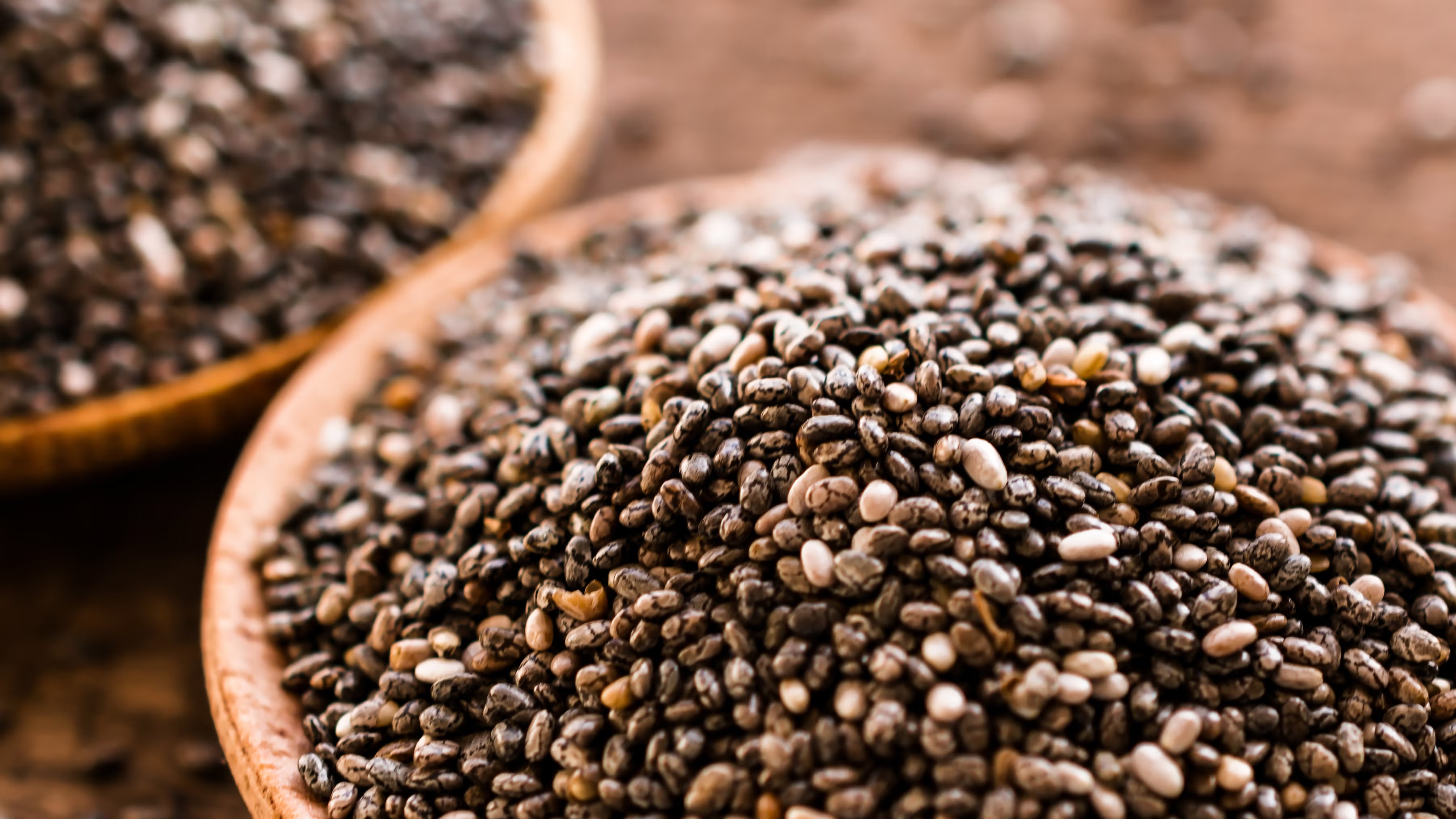
In science “chia” term translates to “strength.” Chia seeds are small seeds belong to a flowering plant, a member of the mint family, mostly grown in Mexico and regions of South America. But what makes chia seeds more adorable is that these seeds absorb as much as 10 times their weight in water when soaked. Chia seeds forms a jelly-like texture which can be use for making chia smoothies, chia seeds puddings, or if you are in hurry, just sprinkle it on yogurt. These seeds tastes bland and can be enjoyed with any dish without altering its taste.
Also Read : Health Benefit Of Drinking Water
Chia Seeds Nutritional Facts
One ounce (approximately 28 grams) of chia seeds contains quite a lot of nutritions for a healthy body:
- 138 calories
- 4.7 grams of protein
- 8.7 grams of fat (full of omega-3s)
- 12 grams of carbohydrates
- 9.8 grams of fiber
- 0 grams of sugar
Chia seeds are rich source of calcium, magnesium, iron, phosphorus, selenium, copper, and manganese.
Benefits of eating Chia Seeds
Chia seeds are not just helpful for weight loss—they have a multitude of benefits:
1. Packed with Antioxidants
Chia seeds are rich in antioxidants such as quercetin, caffeic acid, and chlorogenic acid. These antioxidants shield your body from free radical damage, decrease inflammation, slow the signs of aging, and maintain a healthy immune system.
2. Increase Energy Levels
Since chia seeds are rich in protein, fiber, and healthy fats, they release energy slowly and consistently, making you feel energetic and satisfied all day long. They also assist in building muscle and providing a quicker metabolism.
3. Rich in Protein
A single ounce contains about 4.4 grams of protein, which makes chia seeds particularly beneficial for vegetarians and vegans who require additional plant protein. Protein is necessary for repairing muscles, maintaining healthy tissues, and feeling full after eating.
4. Rich in Fiber
Close to 10 grams of fiber per ounce makes chia seeds prevent constipation and suppress appetite by keeping you full for longer. Fiber also nourishes healthy gut bacteria and assists with blood sugar control, diminishing cravings.
5. Excellent for Bone Health
In case you do not eat dairy, chia seeds are an amazing plant-based calcium, magnesium, and phosphorus source—three minerals important for healthy, strong bones.
How To Eat Chia Seeds
Chia seeds forms a jelly-like texture which can be use for making chia smoothies, chia seeds puddings, or if you are in hurry, just sprinkle it on yogurt. These seeds tastes bland and can be enjoyed with any dish without altering its taste.
Found this guide useful?
Save it, share it, or continue with another guide from the same health topic.
Read Next
Continue with another guide from this category.


Health information on HealthTed is for educational purposes and does not replace professional medical advice.
More health guides