


Living with type 2 diabetes can be really hard when it comes to maintain your body weight, your dcotor might have already warned you about carrying extra weight can make things trickier and can cause other health issues . More weight often means more insulin resistance, your body just can’t use insulin as efficiently as it should. Diabetes shows some early signs that should be taken notes of.
Even after maintaining your focused diet plans, it doesn’t seems to be helping much in loosing weight, can be a reason to watch out.
But how this short blog can be a good news for you to read out. First thing, Shedding some extra pounds can make a real difference in managing your diabetes. Research shows that even modest weight loss can help in improving overall blood sugar level.
But let’s be honest, losing weight never been an easy task or everyday habit, especially when you’re fighting blood sugar levels, meal and diet planning, and daily routines including exercises. But research shows that there are some surprisingly simple, doable habits that can get you on the right track and help you in loosing extra body fats.
This blog post is a combined research from different forums and databases that can help you to learn nine smart and practical ways to support your weight-loss journey while managing type 2 diabetes.
1. Lower your food quantity on plate
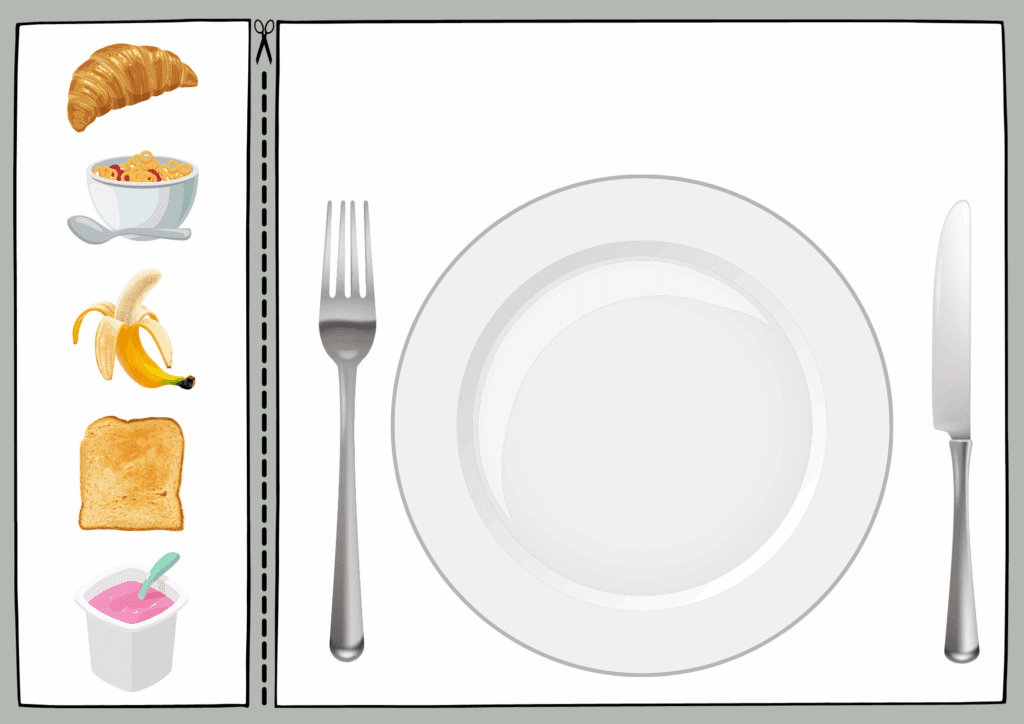
It sounds tricky but efficiently effective. Force yourself to use small plate and keep amount of food to eat less. But where is the catch ? When your brain sees a full plate (small one) , it tends to assume it’s enough food, regardless of the plate’s actual size. Downsizing to a salad plate, for instance, can create the illusion of a hearty meal while helping you naturally trim portions.
What can be more helpful is getting to a doctor recommendation about the food portion you should consume can be a good approach towards loosing weight.
2. Drink Water Before You Start Your Diet

A full bowl hesitate to add extra in it. That’s a true logic which can be added to your habit. Before you dive into a meal, drink a tall glass of water. Not only it makes you to eat less but also keeps you hydrated.
Add some light salad or a warm bowl of broth-based soup before starting meals. These additions are gentle on your blood sugar and can help you ease into your main course more mindfully.
3. Start a Food Journal And read it everyday
Keeping track of what you eat can be eye-opening. Whether you jot things down in a notebook or use a food-tracking app, logging meals and snacks helps you spot patterns you might not notice otherwise like those sneaky midday sugar crashes or late-night cravings.
For people with type 2 diabetes, tracking carbs is especially important. Most women should aim for 45–60 grams per meal, while men may do well with 60–75 grams. That said, everyone’s needs are different, so working with a pro can help fine-tune your carb goals.
More to read : Mounjaro – A miracle for Type-2 Diabetic
4. Avoid Processed Foods
Processed foods might be quick and convenient, but they’re not helping you to control your blood sugar level or your body weight. Processed foods are loaded with added sugars, refined grains, and unhealthy fats that can spike blood sugar and lead to extra weight gain.
Focus instead on whole, real foods. Eat fresh vegetables, fruits, beans, lean proteins, and whole grains.
5. Don’t Drink Your Calories
It’s easy to forget how much sugar is hiding in your drinks. Sodas, sweet teas, flavored coffees—even fruit juice can sneak in a serious amount of sugar and calories.
Swap sugary beverages for water, sparkling water, or unsweetened iced tea. For a hint of flavor, toss in a slice of lemon, cucumber, or a few frozen berries. You’d be surprised how refreshing it can be without the sugar crash.
6. Move More—Even in Small Bursts
You don’t need a gym membership to get moving. Just standing up more during the day can help burn extra calories. In fact, standing burns more calories than sitting—and taking short activity breaks throughout the day adds up.
Try this: set a timer to remind yourself to get up every 30 minutes. Walk around the room, stretch, do a few squats—whatever feels good. Every bit of movement counts.
7. Skip Screen-Time Snacking
We’ve all done it—snacking while binging our favorite show. The problem? Mindless eating leads to more calories and less satisfaction. Studies show that distractions while eating can make you consume more without even realizing it.
Instead, give your food the attention it deserves. Sit at a table, eat slowly, and savor every bite. You’ll feel more satisfied and probably eat less, too.
8. Take a Walk After Meals

Squeezing in a 10-minute walk after you eat isn’t just good for digestion—it also helps stabilize blood sugar and support weight loss. If you struggle to carve out workout time during the day, these mini walks are an easy way to sneak in some physical activity.
Even better? A few short walks throughout the day may be more effective for managing post-meal blood sugar than one long workout.
9. Don’t Starve Yourself
Here’s the deal: extreme calorie-cutting usually backfires. Skipping meals or eating too little might seem like a fast track to weight loss, but it often leads to cravings, overeating, and energy crashes.
Instead, aim for regular meals and snacks that combine carbs, protein, and healthy fats. This balance helps keep your blood sugar steady and prevents that hangry spiral.
And if you’re not sure how much you should be eating, a healthcare provider or dietitian can help you figure out the right calorie range and macronutrient mix for your goals.
The Bottom Line
Managing type 2 diabetes while trying to lose weight can feel like a juggling act—but it doesn’t have to be overwhelming. With a few mindful adjustments—like drinking water before meals, walking after you eat, and eating with intention—you can start making progress.
Small steps add up. And remember, you’re not alone. There are professionals who can guide you, and plenty of support along the way. You’ve got this.
