
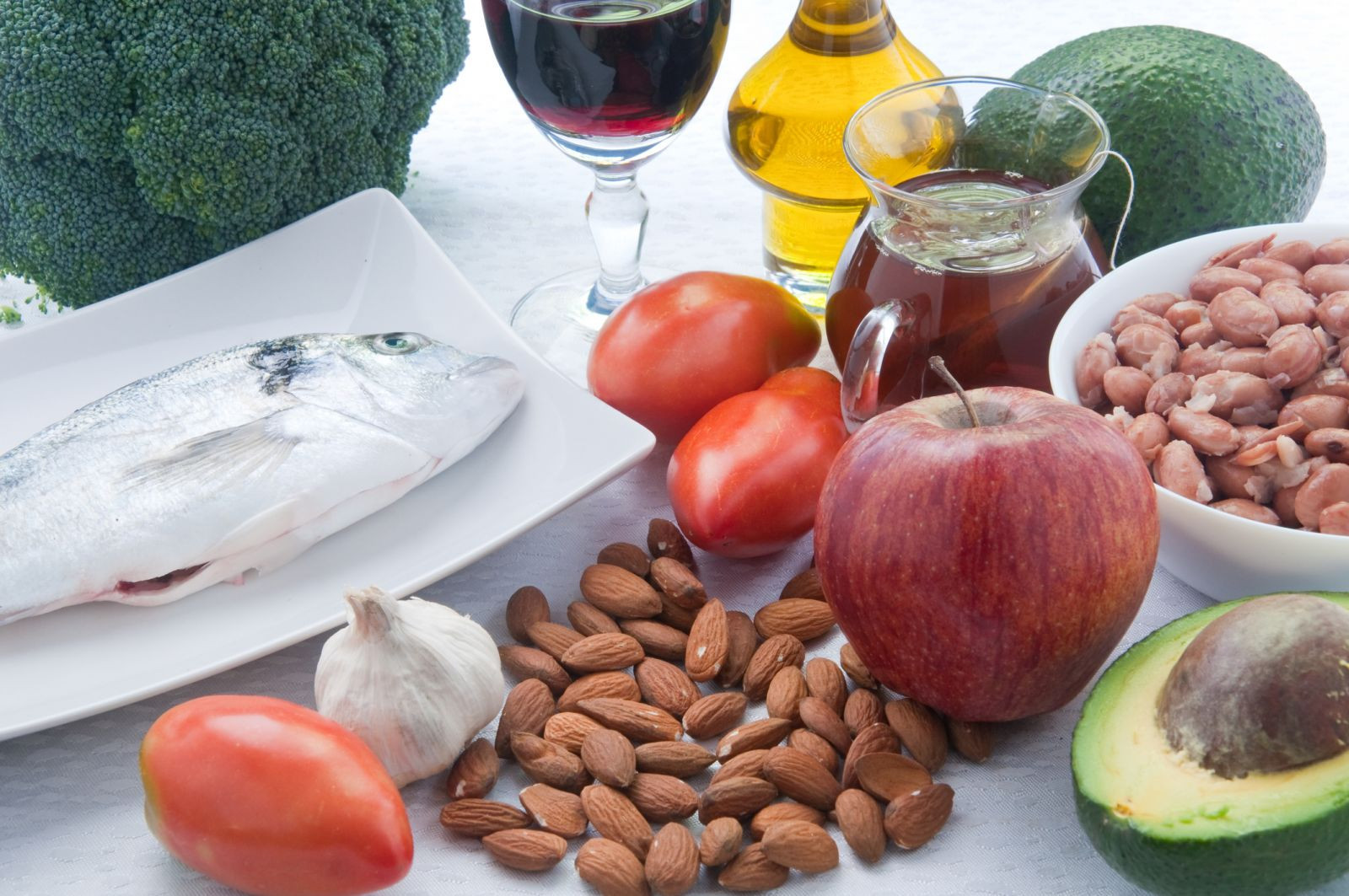

Cholesterol is an important part of your body, but when levels, particularly of LDL or “bad” cholesterol—are too high, it can cause blocked arteries and severe heart issues. The good news? You are able to make significant changes to your cholesterol with dietary and lifestyle changes—no medication necessary (at least for now).
Below are 10 evidence-based, natural methods to reduce cholesterol and maintain your heart health:
1. Consume More Monounsaturated Fats
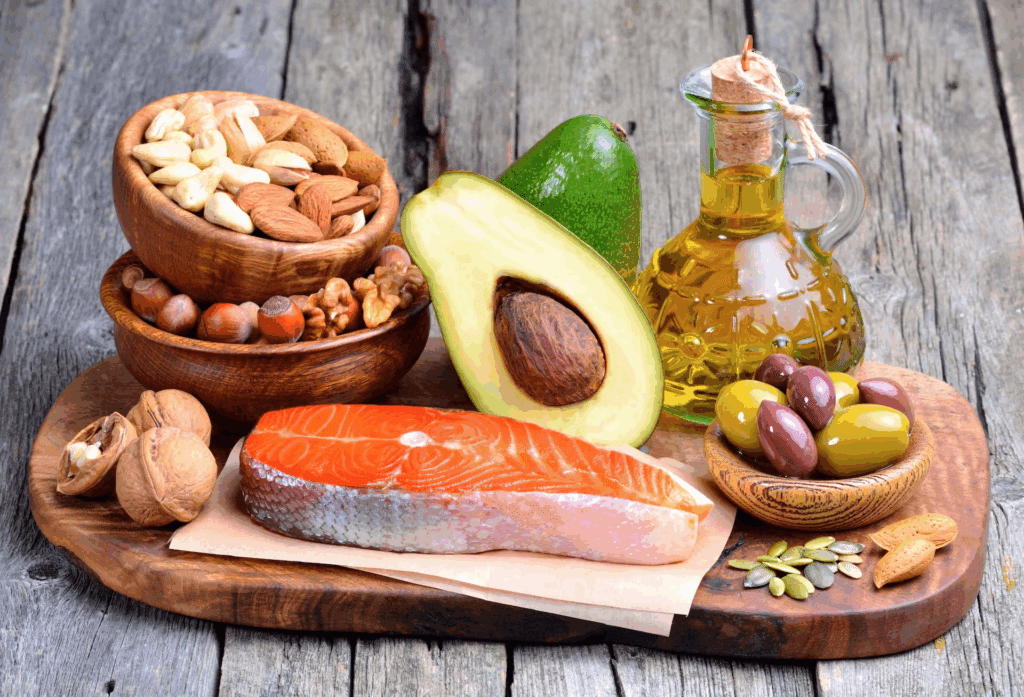
Not all fats are bad news. Actually, monounsaturated fats can lower bad LDL cholesterol while raising HDL, the “good” type.
- Olive oil
- Avocados
- Nuts such as almonds, cashews, pecans
- Nut butters
- Canola oil
- Olives
Dietary patterns rich in these fats—such as the Mediterranean diet—have consistently demonstrated heart-protective effects.
2. Emphasize Polyunsaturated Fats (Notably Omega-3s)
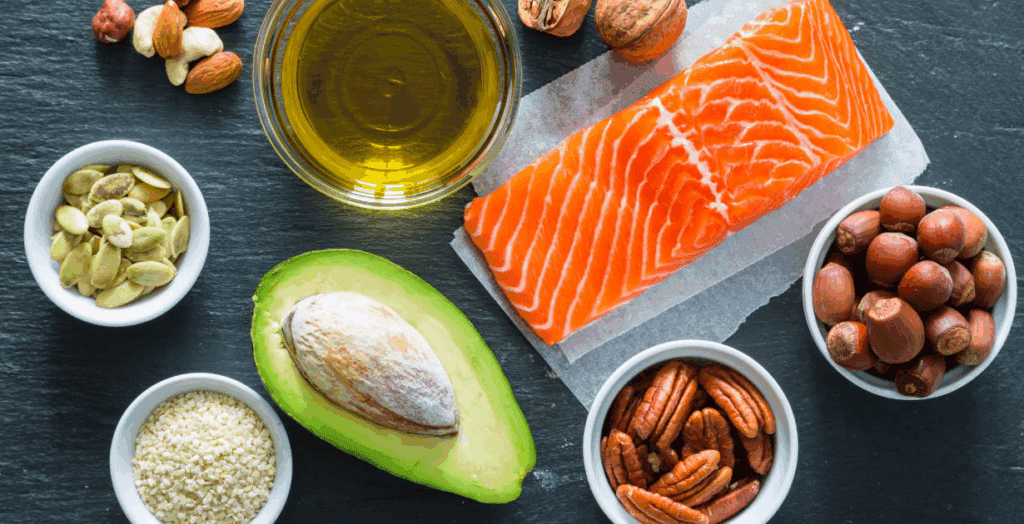
Polyunsaturated fats, and especially omega-3 fatty acids, lower LDL and also prevent heart disease and even type 2 diabetes.
The best sources are:
- Salmon
- Mackerel
- Herring
- Tuna (bluefin, albacore)
- Shellfish such as shrimp
You may also think about omega-3 supplements if fish isn’t your cup of tea.
3. Cut Out Trans Fats
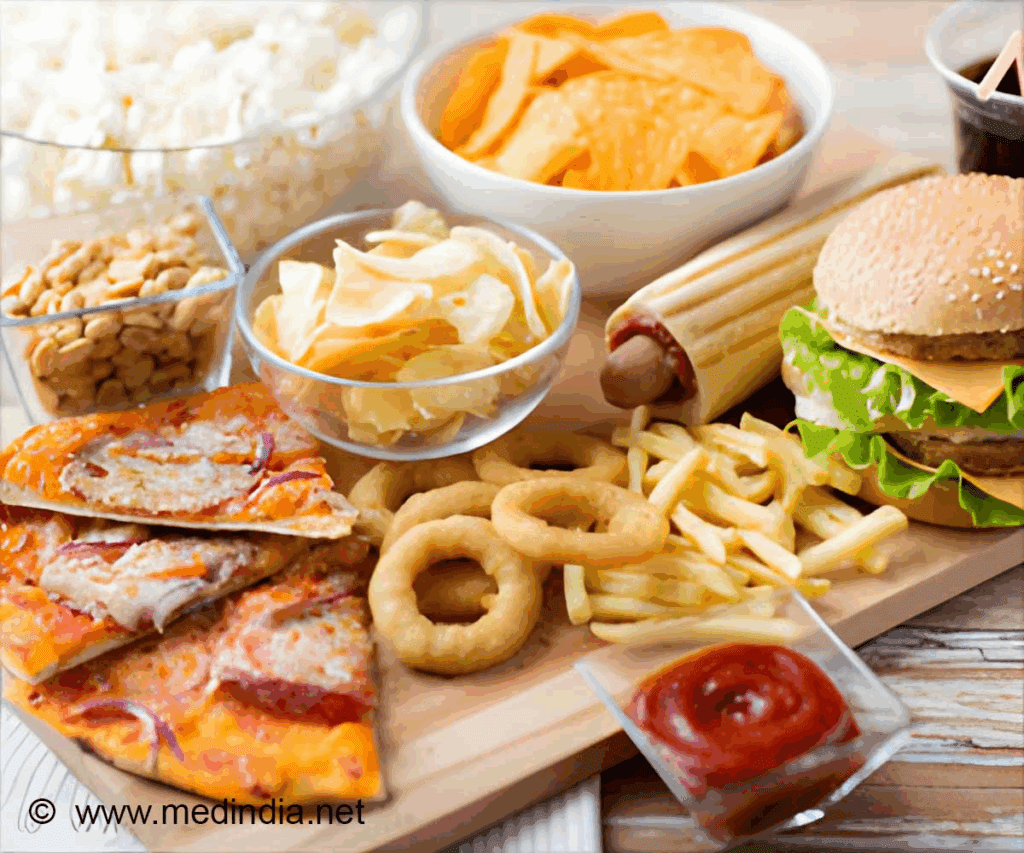
Trans fats are manmade fats in most processed foods and are proven to raise LDL while lowering HDL—making them particularly dangerous.
Steer clear of foods such as:
- Margarine and shortening
- Packaged baked foods
- Fried fast foods
- Microwave popcorn
- Some frozen pizzas
- Non-dairy creamers
Be sure to read labels for “partially hydrogenated oils.”
4. Load Up on Soluble Fiber

Soluble fiber traps cholesterol in the intestines and helps to eliminate it from your system.
The best sources are:
- Oats
- Beans and lentils
- Flaxseeds
- Brussels sprouts
- Apples and citrus fruits
- Peas
Whole grains and legumes provide double protection for digestive and heart health.
5. Get Moving with Regular Exercise

Exercise not only aids weight—it actively decreases LDL and increases HDL.
Target:
- 150 minutes of moderate intensity aerobic exercise per week (such as brisk walking, cycling, or swimming)
- Pair with strength training for maximum effect
Daily movement increases heart function, burns fat, and enhances your overall cholesterol profile.
6. Healthy Weight
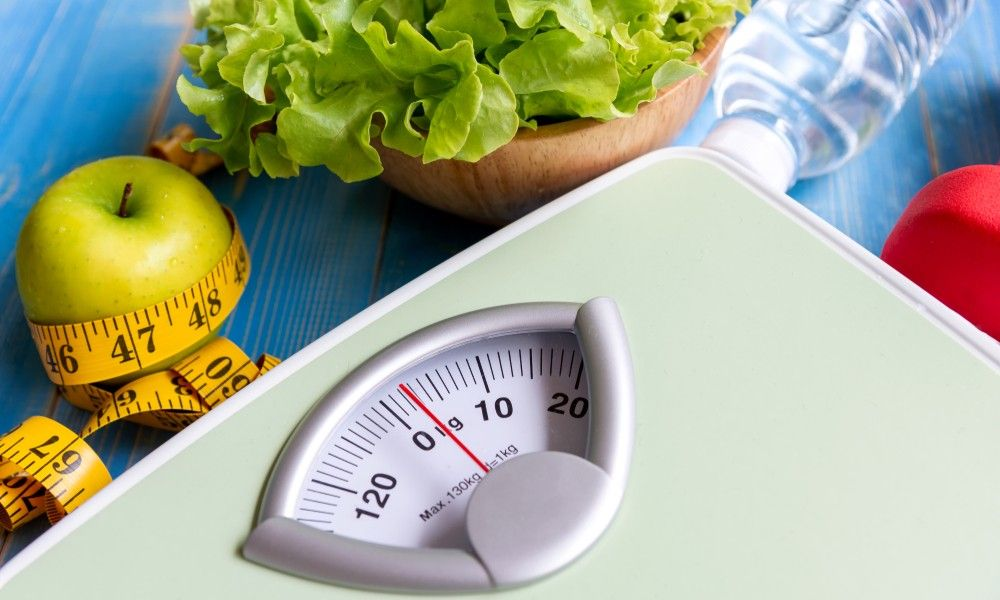
Excess weight—particularly around the midsection—can raise LDL and lower HDL. Losing even a little can make a big difference.
Lifestyle changes such as:
- Eating nutritious meals
- Regular exercise
- Stress management
…can all contribute to sustained weight loss and improved cholesterol management.
7. Stop Smoking
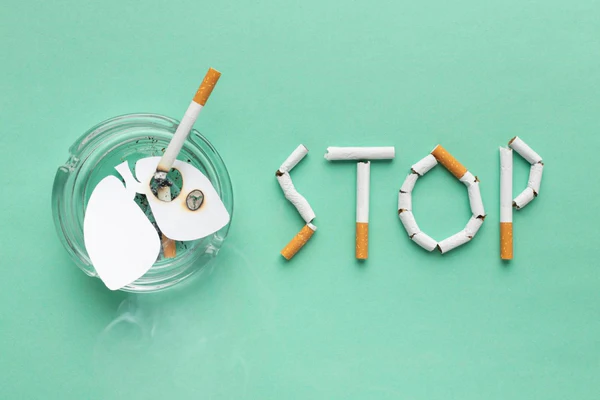
Smoking harms your cholesterol in several ways:
- Raising LDL
- Reducing HDL
- Injuring artery walls
- Encouraging cholesterol deposits in arteries
Stopping smoking can instantly begin reversing these effects. Talk to a healthcare professional for assistance and tailored quitting approaches.
8. Cut Back on Alcohol
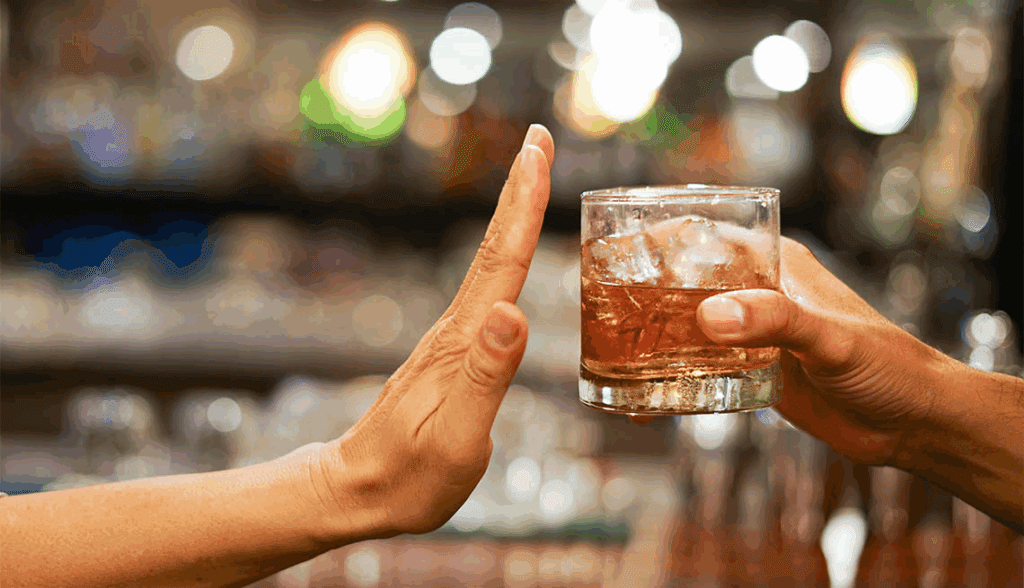
There’s controversy over the heart benefits of alcohol. Some research indicates drinking in moderation could boost HDL—but excess can elevate triglycerides and damage your liver.
Keep it under control:
- 1 drink/day for women
- 2 drinks/day for men
And if you’re a teetotaler, don’t take up drinking just for your heart.
9. Experiment with Plant Sterols and Stanols
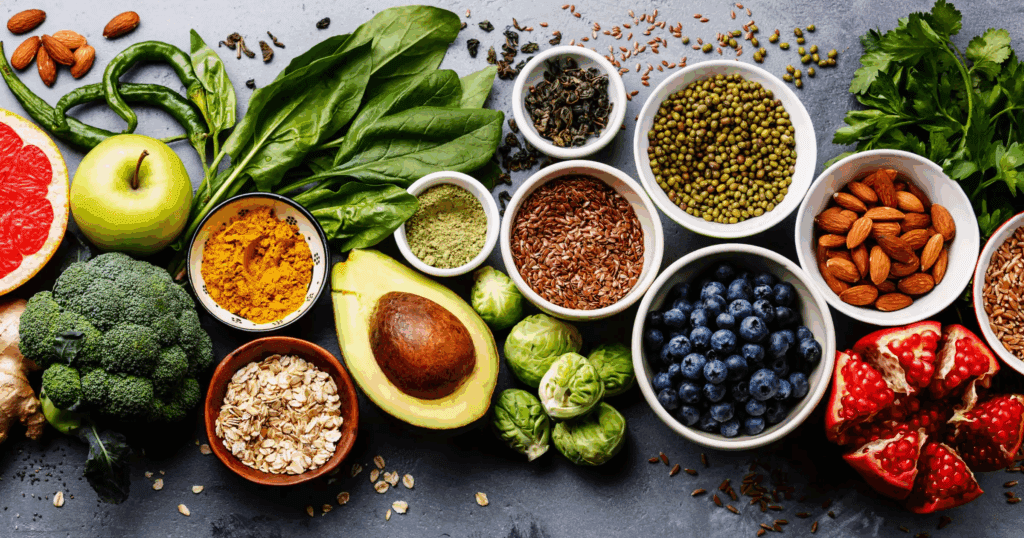
They’re plant-based substances that imitate cholesterol, cutting into the amount your body absorbs.
- Fortified orange juice, margarine, or yogurt
- Some vegetable oils
- Supplements
Research indicates that taking 1.5 to 3 grams a day will decrease LDL by 7.5–12%.
10. Think About Cholesterol-Targeting Supplements
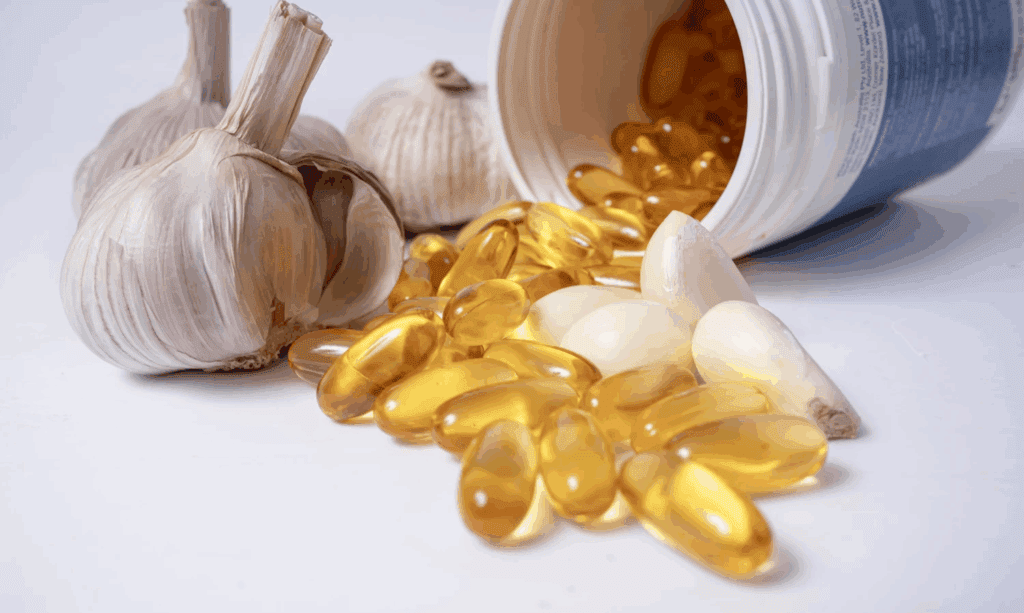
There are some natural supplements that might control cholesterol, but use them as an addition, not a replacement, for diet and exercise.
Choices include:
- Fish oil (high in DHA & EPA): can reduce triglycerides but increase LDL in some individuals
- Psyllium husk: soluble fiber that reduces LDL
- Coenzyme Q10 (CoQ10): still in research but may help promote heart health
Always ask your doctor before taking supplements.
Also Read : Is Cheese Good or Bad for Health
