On this page
Sleep is more than just relaxation; it’s energy for your body and mind. It may seem necessary to skip hours of sleep in order to meet deadlines or binge-watch shows, but doing so leaves you exhausted and irritable the following day. Try to get at least seven hours every night. Reduce the amount of time spent on screens before bed, establish a regular bedtime, and relax with a book or soothing music. When your sleep quality improves, you’ll be shocked at how much more energised you feel. Your energy is depleted by stress more quickly than you may imagine.
1. Get More Sleep

You may feel overburdened and worn out due to work deadlines, family obligations, or significant life changes. Look for ways to manage the things that are causing you stress. Taking a quick stroll, meditating, or just setting Aim to sleep for at least 7 hours each night. Set a regular bedtime, unwind with a book or calming music, and try to cut down on screen time before bed. You’ll be surprised how much more energized you feel when your sleep quality improves.
2. Reduce Stress
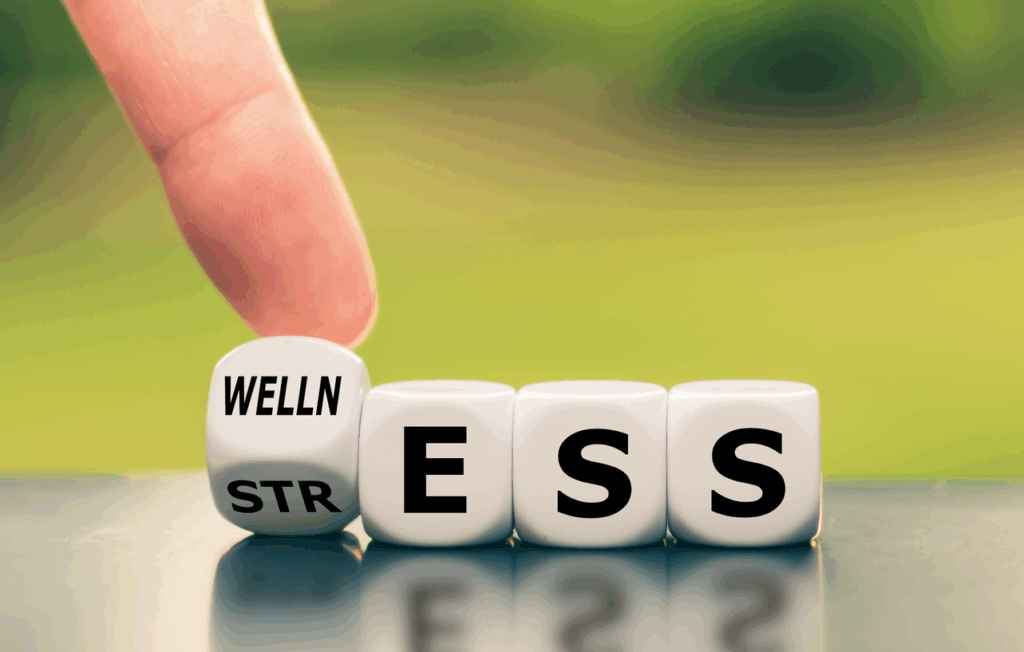
Stress drains your energy faster than you might think. Work deadlines, family responsibilities, or big life changes can leave you feeling overwhelmed and exhausted. Try to identify what’s stressing you out and find ways to manage it. Whether it’s taking a short walk, practicing meditation, or simply setting aside time for yourself, managing stress can give your energy levels a big boost. And if stress feels unmanageable, don’t hesitate to talk to a professional.
3. Move More

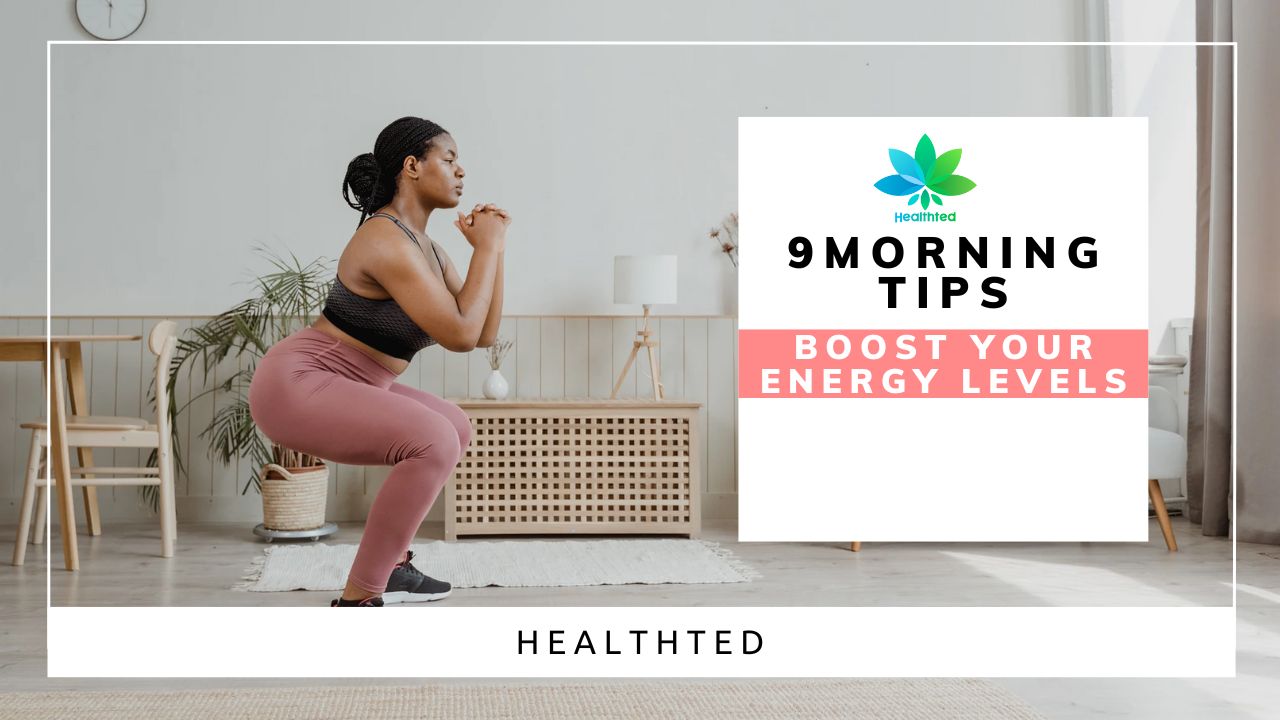
It might sound counterintuitive, but getting up and moving can actually increase your energy. Exercise helps fight fatigue, improves your mood, and boosts overall health. Even a daily walk, taking the stairs, or a bit of light stretching can make a difference. Try to add some physical activity into your routine—you’ll feel more awake and alive.
4. If You Smoke, Consider Quitting
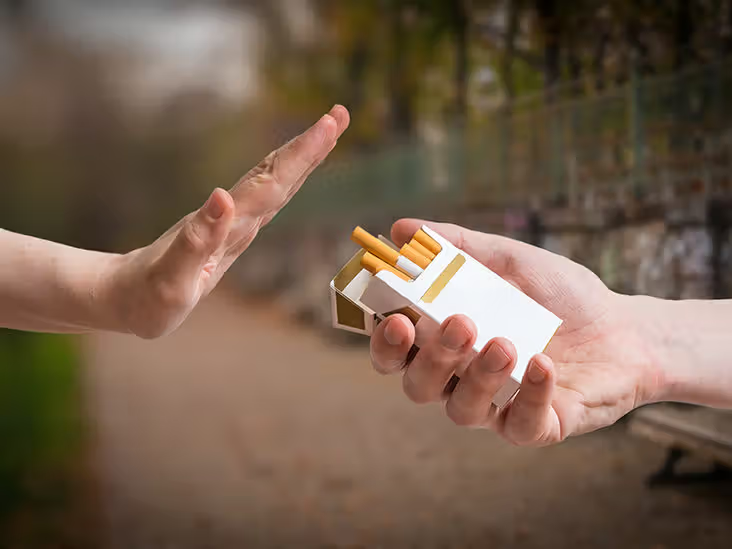
Smoking reduces how well your lungs work, cutting down on the oxygen your body gets. That leaves you feeling tired and worn out. Quitting might be tough, but it’s one of the best things you can do to feel more energetic and healthy overall. Talk to a doctor about support options like patches or gum—they can help you quit for good.
5. Limit Alcohol

While a drink might make you feel relaxed, alcohol actually messes with your sleep quality. It might help you fall asleep, but it disrupts deep sleep, leaving you tired the next day. Try to keep alcohol consumption moderate and avoid drinking right before bedtime. You’ll sleep better and wake up feeling refreshed.
6. Eat a Nutritious Diet
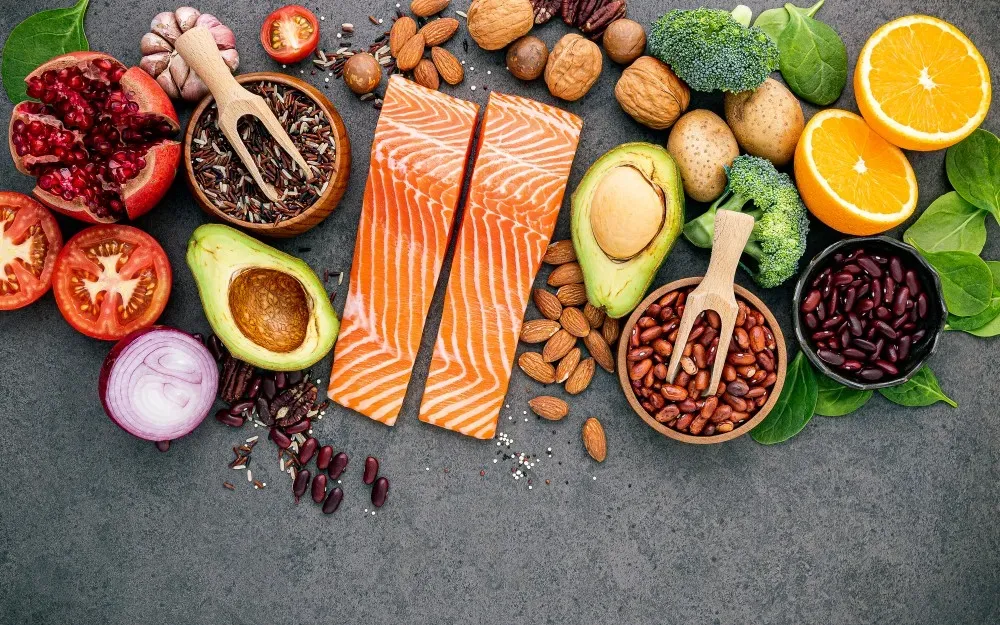
What you eat plays a big role in how much energy you have. Filling your plate with whole foods like fruits, veggies, lean proteins, and whole grains gives your body the nutrients it needs to run smoothly. Cutting back on processed foods, sugary snacks, and skipping meals can help prevent energy crashes. Keep your meals balanced and regular to keep your energy steady throughout the day.
7. Limit Added Sugar
Sugary snacks might give you a quick energy spike, but it doesn’t last. Soon after, your blood sugar crashes, and you feel even more tired than before. Try swapping sweets for natural treats like fresh berries, dried fruit, or a handful of nuts. They’ll satisfy your sweet tooth and keep your energy steady.
8. Stay Hydrated
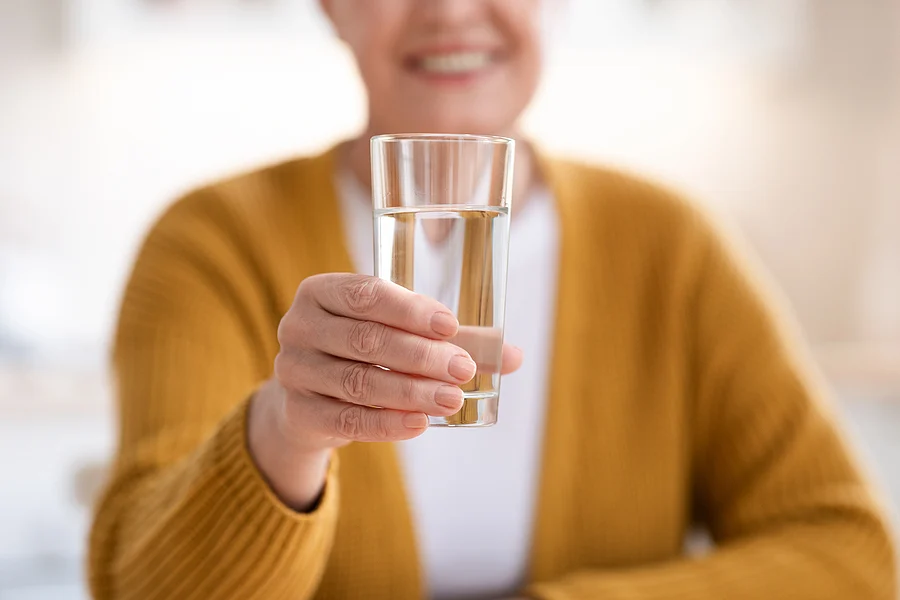
Water is essential for your brain, muscles, and overall energy. Even mild dehydration can leave you feeling tired and foggy. Make it a habit to drink water throughout the day, especially if you’re active or it’s hot outside. If you’re not sure how much to drink, listen to your thirst—that’s your body’s natural signal.
9. Connect With People

Humans are social creatures. Spending time with friends or family can lift your mood and recharge your energy. If you’re feeling low, try reaching out to someone, joining a club, or picking up a hobby that gets you out and about. Social connection is surprisingly powerful for boosting both your energy and your happiness.
Also Read : 7 Tips to Increase Hair Faster and Stronger
Found this guide useful?
Save it, share it, or continue with another guide from the same health topic.
Read Next
Continue with another guide from this category.


Health information on HealthTed is for educational purposes and does not replace professional medical advice.
More health guides